Warehouse Management System
Warehouse Management System
Our Warehouse Management System (WMS) brings greater control, visibility, and accuracy to modern warehouse operations. By digitising key processes and providing real-time information on inventory, materials, and warehouse activities, the system helps teams manage daily operations with greater speed and precision.
From inbound receiving and put-away to inventory handling, picking, packing, and dispatch, our WMS creates a connected workflow that improves material movement and reduces manual errors. Integration with ERP and other business systems ensures that critical inventory and operational information remains aligned across the organisation.
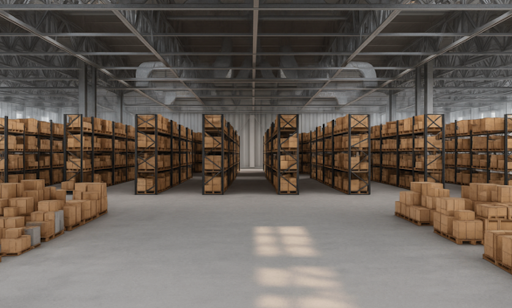
With real-time inventory visibility, streamlined workflows, and improved resource utilisation, businesses can strengthen stock accuracy, reduce processing delays, and enhance overall warehouse productivity. The result is a more organised, transparent, and scalable warehouse environment designed to support the evolving requirements of modern businesses in the UAE.
Smart Warehouse Management System (WMS)
Real-Time Inventory Visibility
View stock quantities, storage locations, and material movements in real time, helping teams maintain better control over warehouse inventory.
Connected Material Tracking
Track raw materials, components, and production supplies as they move between the warehouse and shopfloor, maintaining clear visibility throughout the process.
Real-Time ERP Integration
Synchronise inventory, purchase and sales orders, dispatch information, and material transactions with your existing ERP system for consistent and up-to-date data.
End-to-End Warehouse Visibility
Monitor the complete material journey—from inbound receiving and storage to WIP movement and outbound dispatch—through one connected warehouse management environment.
Frequently Asked Questions
1. What is a Warehouse Management System (WMS)?
A Warehouse Management System (WMS) is a software solution that helps businesses manage warehouse operations, including inventory tracking, receiving, storage, picking, packing, and dispatch. It provides real-time visibility into stock and material movements, helping improve accuracy and operational efficiency.
2. How can a WMS improve warehouse efficiency?
A WMS streamlines daily warehouse activities by digitising workflows, reducing manual data entry, minimising errors, and improving material handling. It helps warehouse teams process orders faster, manage resources effectively, and maintain better control over inventory.
3. Does your WMS provide real-time inventory visibility?
Yes, our WMS provides real-time information about stock quantities, storage locations, and material movements. This enables businesses to monitor inventory more accurately, make informed decisions, and reduce discrepancies between recorded and actual stock levels.
4. Can a Warehouse Management System integrate with an existing ERP system?
Yes, our WMS can integrate with existing ERP and other business systems to synchronise inventory records, purchase orders, sales orders, dispatch details, and material transactions. This helps maintain consistent and up-to-date information across different departments.
5. Which warehouse operations can a WMS manage?
Our WMS supports key warehouse processes, including inbound receiving, put-away, inventory handling, storage management, picking, packing, and outbound dispatch. It also provides visibility into work-in-progress (WIP) movements between the warehouse and the shopfloor.
6. How does a WMS help reduce inventory errors?
A WMS records inventory transactions digitally and provides real-time updates on stock quantities and locations. This reduces reliance on manual records, minimises data entry mistakes, and helps warehouse teams maintain more accurate inventory information.
7. Can a WMS track materials moving between the warehouse and the shopfloor?
Yes, our WMS supports connected material tracking for raw materials, components, and production supplies as they move between warehouse storage and shopfloor operations. This helps businesses maintain better material visibility and coordinate production activities more effectively.
8. How does a WMS improve order picking, packing, and dispatch?
A WMS organises picking and packing activities by providing accurate inventory and location information. It helps warehouse teams identify the required materials, streamline order processing, and coordinate dispatch operations, reducing delays and improving order fulfilment accuracy.
9. Is a Warehouse Management System suitable for different types of businesses in the UAE?
Yes, a WMS can support warehouses across various industries in the UAE, including manufacturing, distribution, retail, logistics, and trading. The system can be configured according to a business’s inventory processes, operational requirements, and integration needs.
10. Can a WMS scale as warehouse operations grow?
Yes, a well-designed WMS can support expanding inventory volumes, additional warehouse activities, and evolving operational requirements. Its connected workflows and integration capabilities help businesses maintain visibility, improve resource utilisation, and manage warehouse growth more effectively.
Ready to get started?
Get in Touch
We’d love to resolve your queries with personalised assistance.