RFID & Smart Tracking
RFID & Smart Tracking
Our RFID and Smart Tracking solutions provide real-time visibility into materials, assets, and production activities across your operations. By combining RFID gateways, intelligent tags, scanners, and automation technologies, we create a connected tracking environment that supports seamless movement of goods across warehouses, shopfloors, and logistics operations.
Automated identification and tracking help reduce manual data entry, minimise tracking errors, and improve the control of materials and assets throughout their journey. Teams can quickly identify the location and movement of critical items while gaining more accurate operational information.
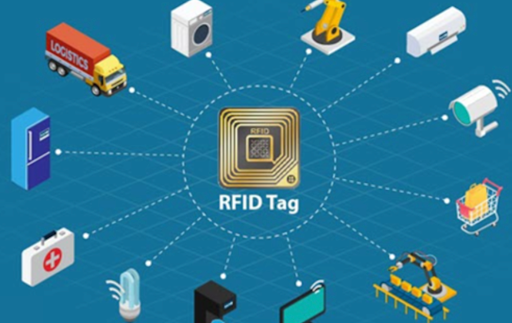
From inventory and asset tracking to production flow and logistics, our solutions deliver reliable traceability and actionable data. This enables businesses to improve asset utilisation, streamline material handling, strengthen operational control, and build a more efficient, transparent, and connected supply chain.
Intelligent RFID & Smart Tracking Solutions
Real-Time Asset & Material Visibility
Track assets, tools, pallets, raw materials, and other critical items with timely location and movement updates across your facility.
Automated Movement Tracking
Use event-driven RFID technology to monitor the movement of materials and assets across warehouses, production areas, and designated checkpoints.
Flexible RFID Infrastructure
Support a range of tracking environments with fixed RFID readers, handheld readers, RFID portals, and IoT gateways, based on your operational requirements.
Actionable Tracking Intelligence
Use real-time movement data to improve inventory control, coordinate production activities, identify delays, and optimise material handling across your operations.
Frequently Asked Questions
1. What are RFID and Smart Tracking solutions?
RFID and Smart Tracking solutions use radio-frequency identification technology, intelligent tags, readers, scanners, and IoT gateways to monitor the location and movement of materials, assets, and goods. They help businesses improve visibility, accuracy, and control across warehouses, production areas, and logistics operations.
2. How do RFID and Smart Tracking systems work?
RFID tags are attached to assets, materials, or products, and RFID readers detect them at designated locations or checkpoints. The collected data helps businesses track item movement, monitor inventory, and access timely information about the location and status of important items.
3. What types of items can be tracked using RFID technology?
RFID technology can track a wide range of items, including raw materials, finished goods, tools, equipment, pallets, and other valuable business assets. The system can be configured according to the types of items being tracked and the operational requirements of the facility.
4. How can RFID solutions improve inventory management?
RFID solutions help automate item identification and movement recording, reducing the need for manual data entry. This improves inventory accuracy, provides better visibility into stock movement, minimises tracking errors, and helps teams manage materials more efficiently.
5. What are the benefits of real-time asset and material tracking?
Real-time asset and material tracking helps businesses identify item locations, monitor movement, improve asset utilisation, and reduce the time spent searching for equipment or materials. It also supports better coordination between warehouse, production, and logistics teams.
6. What types of RFID equipment are used in Smart Tracking solutions?
Depending on the application, RFID and Smart Tracking systems can include RFID tags, fixed RFID readers, handheld readers, RFID portals, scanners, and IoT gateways. The appropriate combination depends on the facility layout, tracking requirements, and movement of materials or assets.
7. Can RFID and Smart Tracking solutions be used in warehouses and manufacturing facilities?
Yes. These solutions can support warehouse inventory management, production material tracking, tool identification, asset monitoring, and logistics operations. They help businesses maintain better visibility into the movement of items between storage areas, production lines, and designated checkpoints.
8. How do RFID systems help reduce tracking errors?
RFID systems automate identification and data capture, reducing dependence on manual recording and repetitive scanning activities. This helps minimise human errors, improve the reliability of tracking information, and provide more consistent records of material and asset movement.
9. Can RFID and Smart Tracking solutions help identify delays in material movement?
Yes. By collecting movement data at designated checkpoints, RFID solutions help teams identify where materials are located and recognise potential delays in internal logistics or production workflows. This information supports better coordination, more efficient material handling, and timely operational decisions.
10. Can RFID and Smart Tracking solutions be customised for different business requirements?
Yes. RFID and Smart Tracking solutions can be designed around a business’s facility layout, asset types, material flow, and tracking objectives. The system may combine fixed readers, handheld devices, RFID portals, and IoT gateways to provide suitable tracking coverage and actionable operational insights.
Ready to get started?
Get in Touch
We’d love to resolve your queries with personalised assistance.