Manufacturing Execution System (MES)
Manufacturing Execution System (MES)
A Manufacturing Execution System (MES) connects your factory floor with the information and processes needed to manage production more efficiently. By bringing together real-time production monitoring, OEE and downtime tracking, quality management, WIP visibility, and ERP integration, our MES solution gives your teams a clearer view of what is happening across the shopfloor.
From production planning and scheduling to execution, quality inspection, and final dispatch, every stage can be monitored through a connected digital workflow. Detailed process tracking and traceability help identify production gaps, minimise avoidable losses, and maintain consistent operational standards.
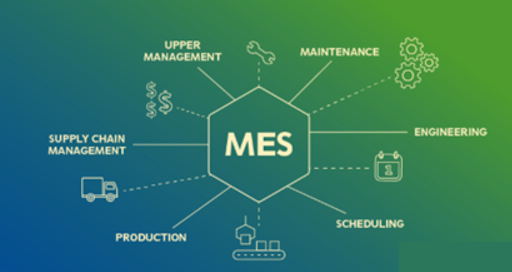
With accurate, real-time information available across your manufacturing operations, teams can respond faster, improve resource utilisation, and make informed decisions based on actual production data. The result is a more connected, transparent, and efficient manufacturing environment built to support smart manufacturing and Industry 4.0 initiatives in the UAE.
Smart Manufacturing Execution System (MES)
End-to-End Production Visibility
Monitor machines, production activities, batches, and work orders throughout the manufacturing process, giving your team complete visibility from start to finish.
Downtime & OEE Monitoring
Automatically capture downtime events and their causes while providing actionable insights to improve Overall Equipment Effectiveness (OEE) and production performance.
Quality Control & Traceability
Record inspections, configure quality parameters, monitor defects, and maintain detailed production records to support consistent quality and compliance requirements.
Seamless ERP Integration
Connect production orders, inventory information, and operational reports with your existing ERP system, creating a unified flow of information across your manufacturing operations.
Frequently Asked Questions
1. What is a Manufacturing Execution System (MES)?
A Manufacturing Execution System (MES) is a digital solution that connects factory-floor activities with production information and business processes. It helps manufacturers monitor production, manage quality, track work-in-progress, and improve overall operational efficiency.
2. How does an MES improve manufacturing efficiency?
An MES provides real-time production data, monitors machine performance, identifies downtime, and highlights production bottlenecks. This enables teams to reduce avoidable losses, use resources more effectively, and make informed operational decisions.
3. What is OEE monitoring in an MES?
Overall Equipment Effectiveness (OEE) measures how effectively manufacturing equipment is being used. An MES supports OEE monitoring by tracking equipment availability, performance, and production quality, helping manufacturers identify opportunities to improve productivity.
4. Can an MES help reduce machine downtime?
Yes. An MES can record downtime events, track their causes, and provide insights into recurring production interruptions. This information helps maintenance and production teams address issues more effectively and minimise unplanned downtime.
5. How does an MES support quality control and traceability?
An MES records quality inspections, monitors configured quality parameters, tracks defects, and maintains detailed production records. These capabilities help manufacturers trace production activities, investigate quality issues, and maintain consistent product standards.
6. Can an MES integrate with an existing ERP system?
Yes. An MES can integrate with an existing Enterprise Resource Planning (ERP) system to exchange information such as production orders, inventory data, and operational reports. This creates better coordination between shopfloor operations and business processes.
7. How does an MES provide end-to-end production visibility?
An MES tracks machines, batches, work orders, and production activities throughout the manufacturing process. This allows teams to monitor progress from production planning and execution through quality inspection and final dispatch.
8. What is work-in-progress (WIP) tracking in an MES?
Work-in-progress (WIP) tracking provides visibility into products and materials moving through different production stages. An MES helps teams understand current production status, identify delays, and coordinate manufacturing activities more efficiently.
9. How can an MES support smart manufacturing in the UAE?
An MES helps UAE manufacturers digitalise shopfloor operations through real-time monitoring, production traceability, quality management, and ERP integration. These capabilities support data-driven decision-making, operational improvement, and wider Industry 4.0 initiatives.
10. Which manufacturers can benefit from implementing an MES?
Manufacturers looking to improve production visibility, reduce downtime, strengthen quality control, track work orders, and integrate factory operations with business systems can benefit from an MES. It is particularly useful for businesses seeking more connected, transparent, and efficient manufacturing processes.
Ready to get started?
Get in Touch
We’d love to resolve your queries with personalised assistance.